
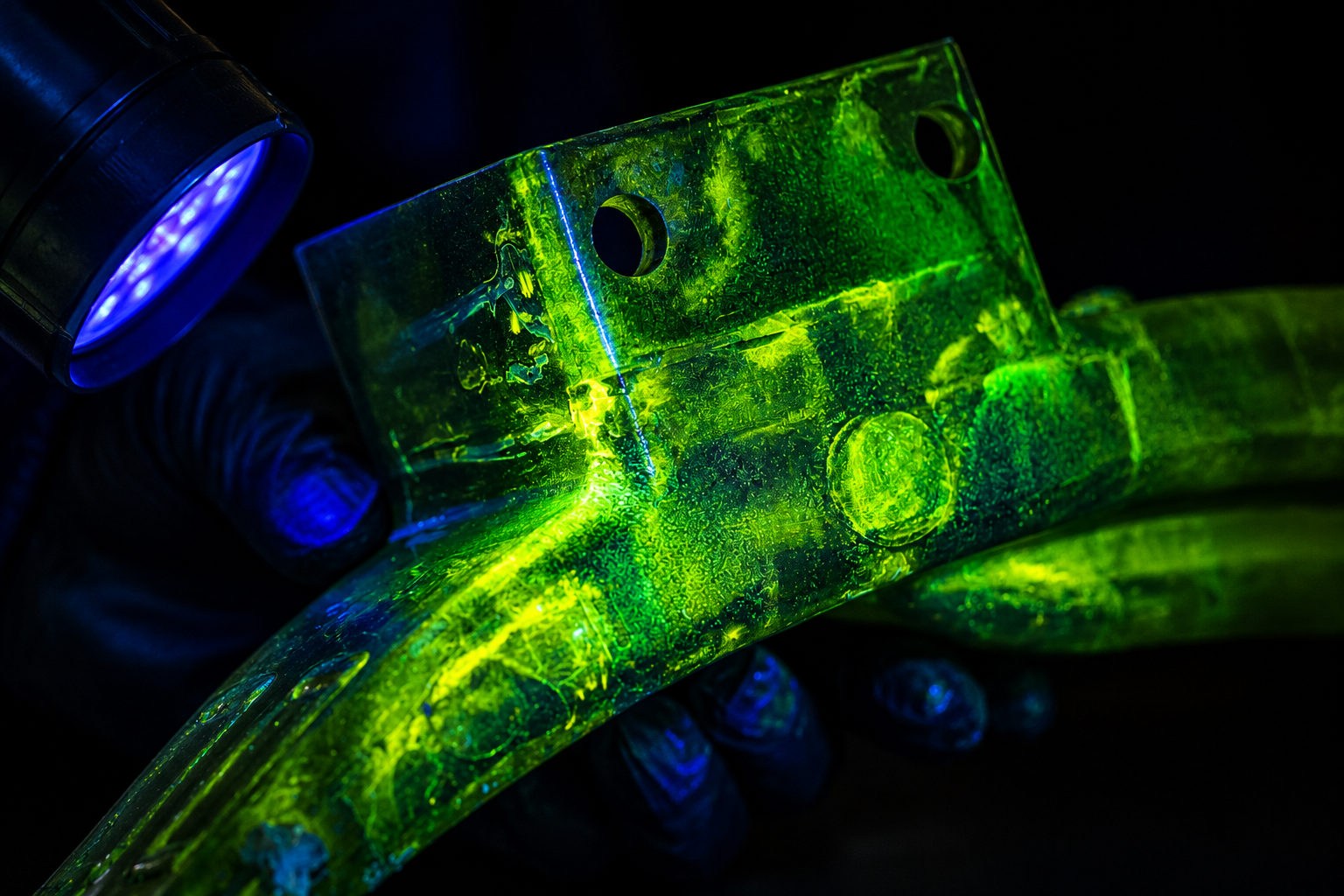
Intensity Requirements: Understanding µW/cm² for Different UV Tests
A practical guide to UV-A intensity thresholds across NDT, forensic, and life-science inspection work and why the number on your radiometer matters more than the number on your lamp. Why µW/cm² Is ...
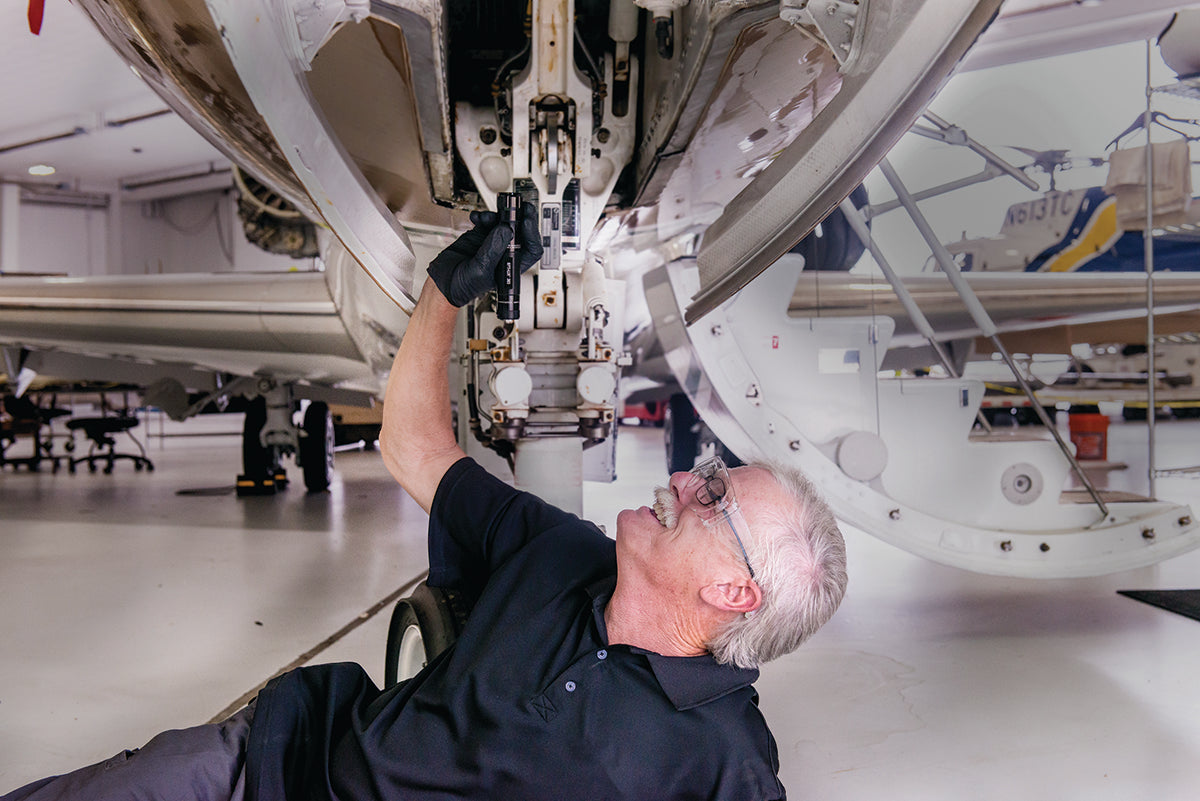
UV Light Safety in Industrial Settings: What Every Inspector and Safety Officer Should Know
Ultraviolet light (UV) is one of those tools that tend to fade into the background of a worksite. It's used daily across non-destructive testing (NDT), weld inspection, forensic analysis, curing ap...
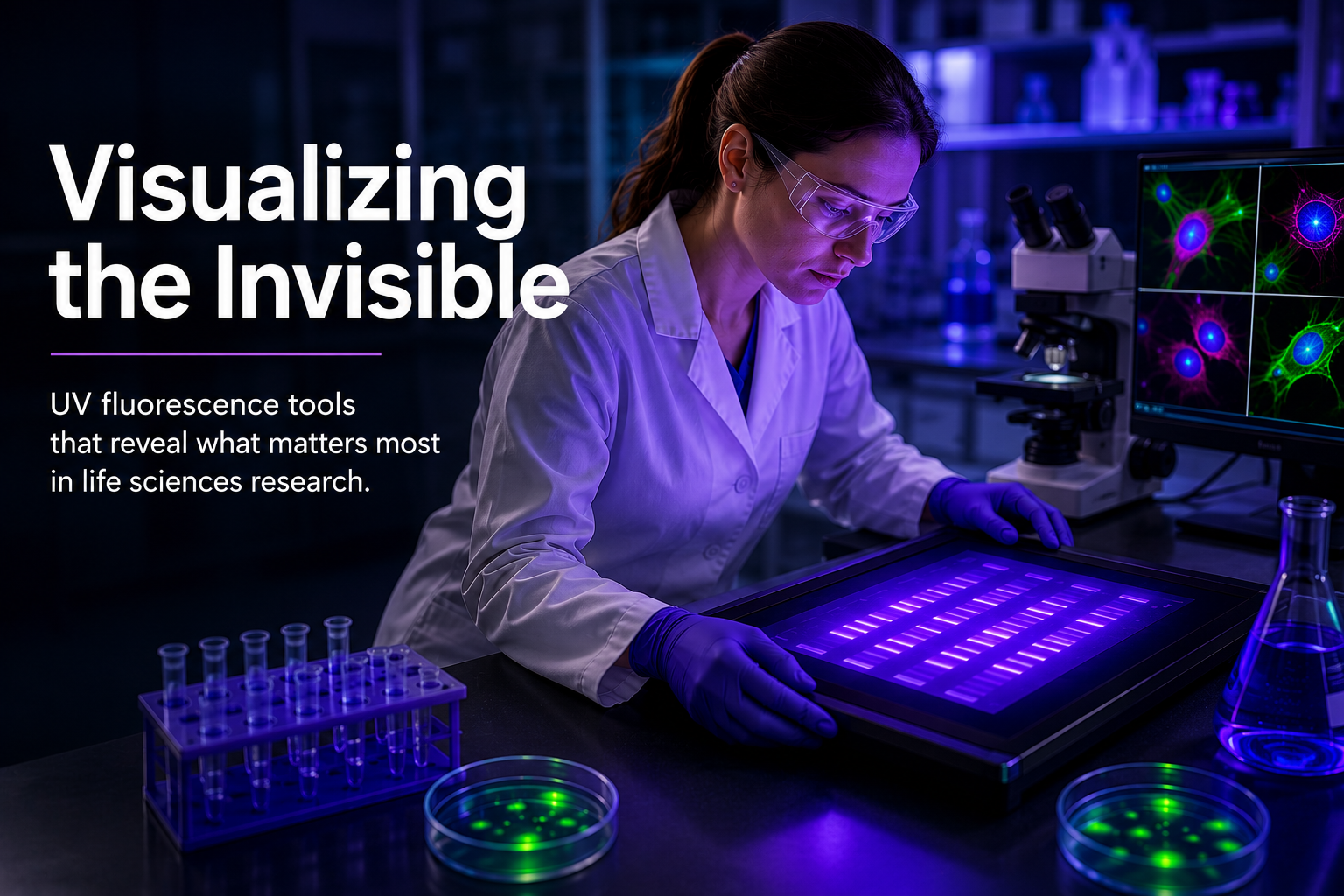
Visualizing the Invisible: A Guide to UV Fluorescence Tools in Life Sciences Research
In a life sciences lab, some of the most critical details are invisible to the naked eye: bands on an agarose gel, residual contamination on a shared bench, a poorly bound membrane that could compr...
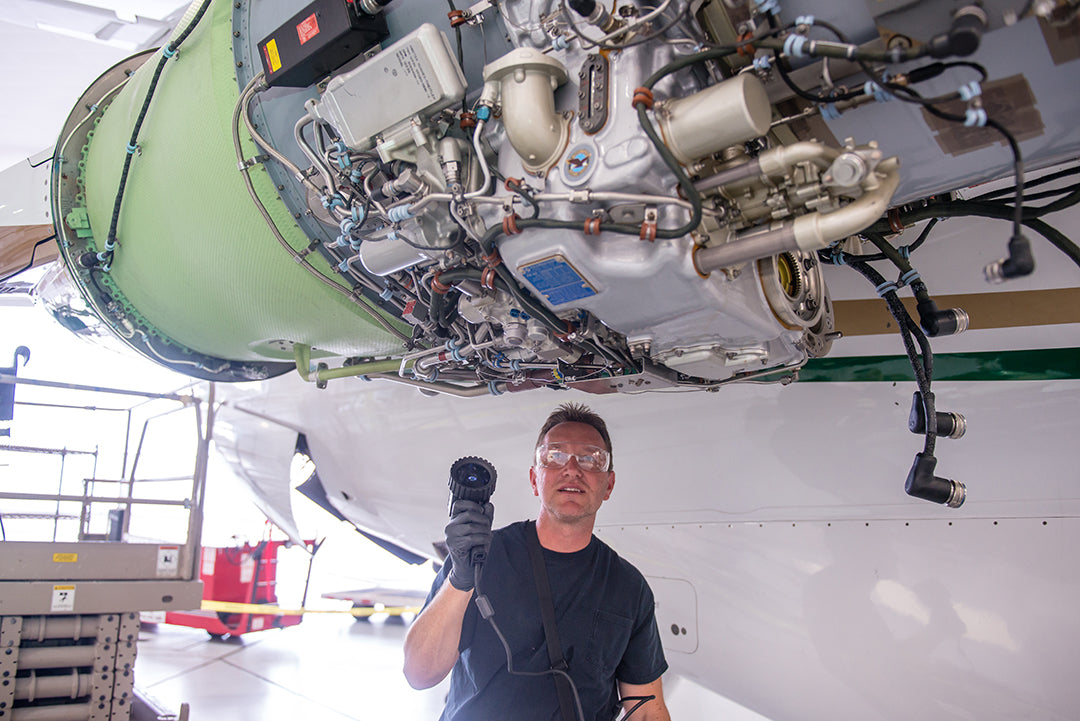
Best UV-A Lamps for Aerospace Inspection
Not all UV-A inspection lamps are built for aerospace. Our latest newsletter breaks down what it takes to meet ASTM E3022, Rolls-Royce RRES 90061, Airbus AITM6-1001, and Pratt & Whitney complia...
5 Common UV-A Inspection Mistakes That Could Cost You in 2026
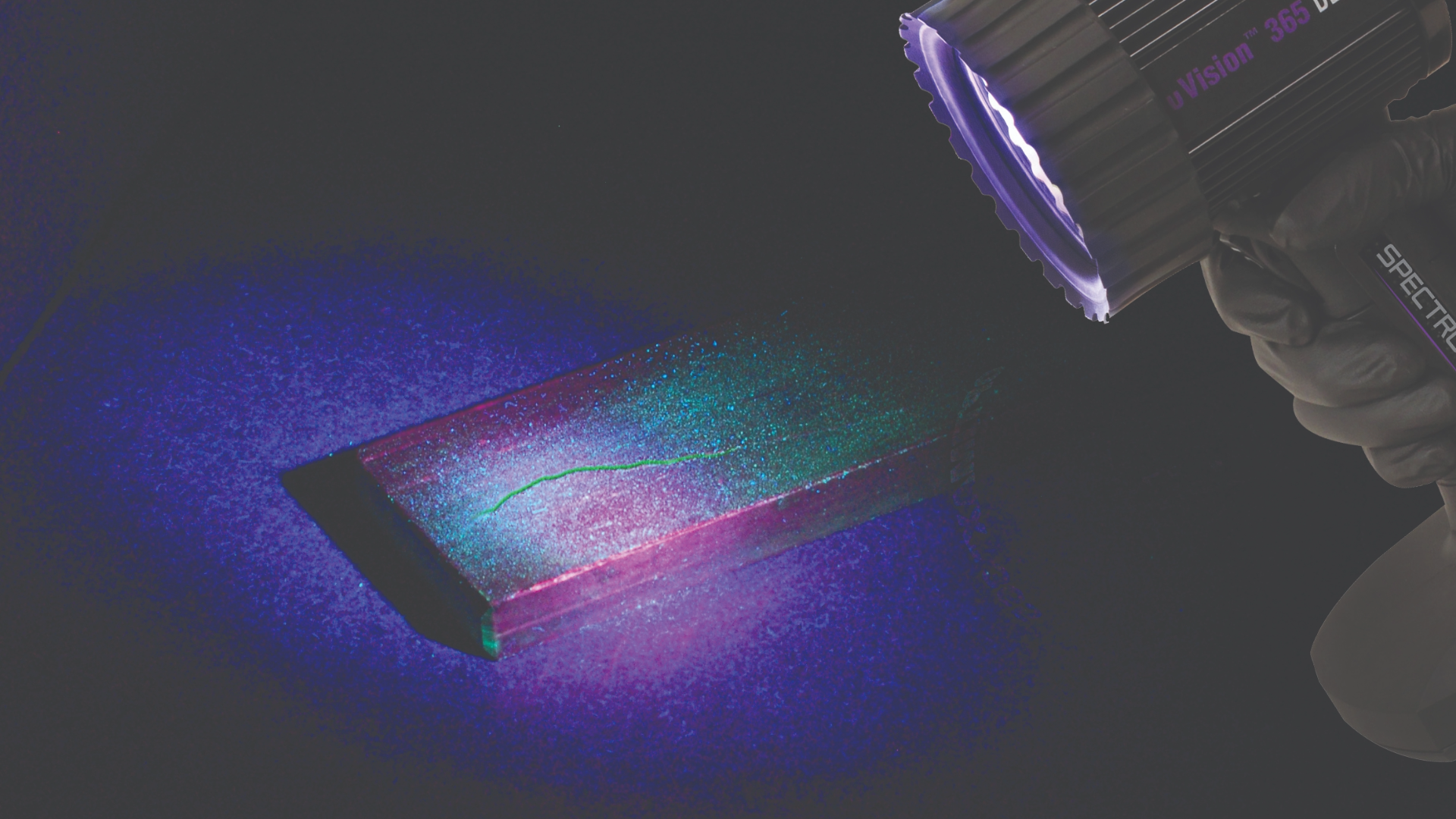
As we start the new year, let's talk about the UV-A inspection mistakes that cost companies time, money, and credibility. In regulated NDT environments, even small lapses in UV-A inspection practic...
UV Lamps in Fluorescent Penetrant Testing: Revealing Hidden Flaws
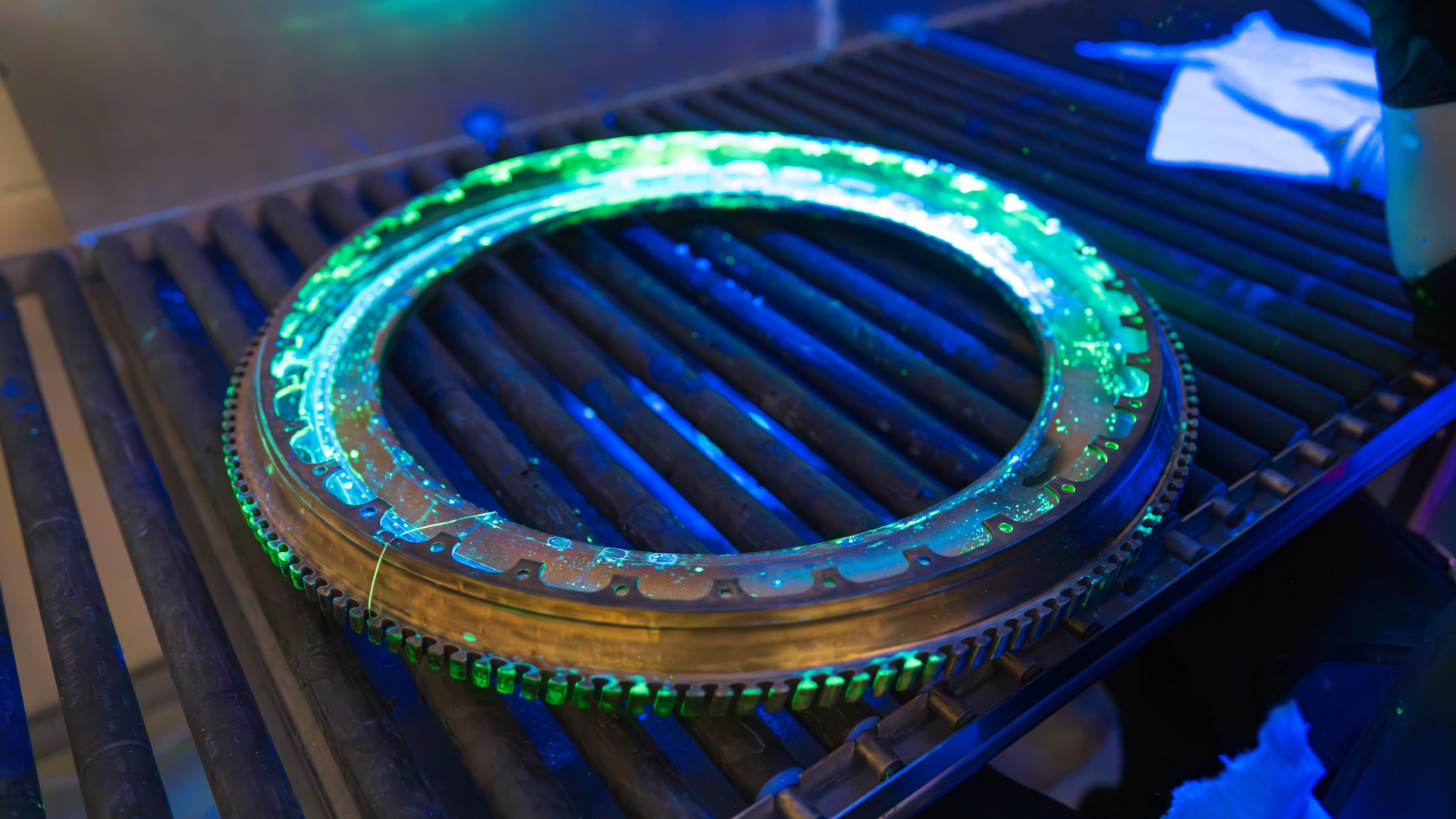
Part 2 of our NDT and UV Technology Series In our previous blog, we explored how UV lamps transform Magnetic Particle Inspection into a highly sensitive defect detection method. Today, we're examin...